The Role of Texture in Floral Event Styling
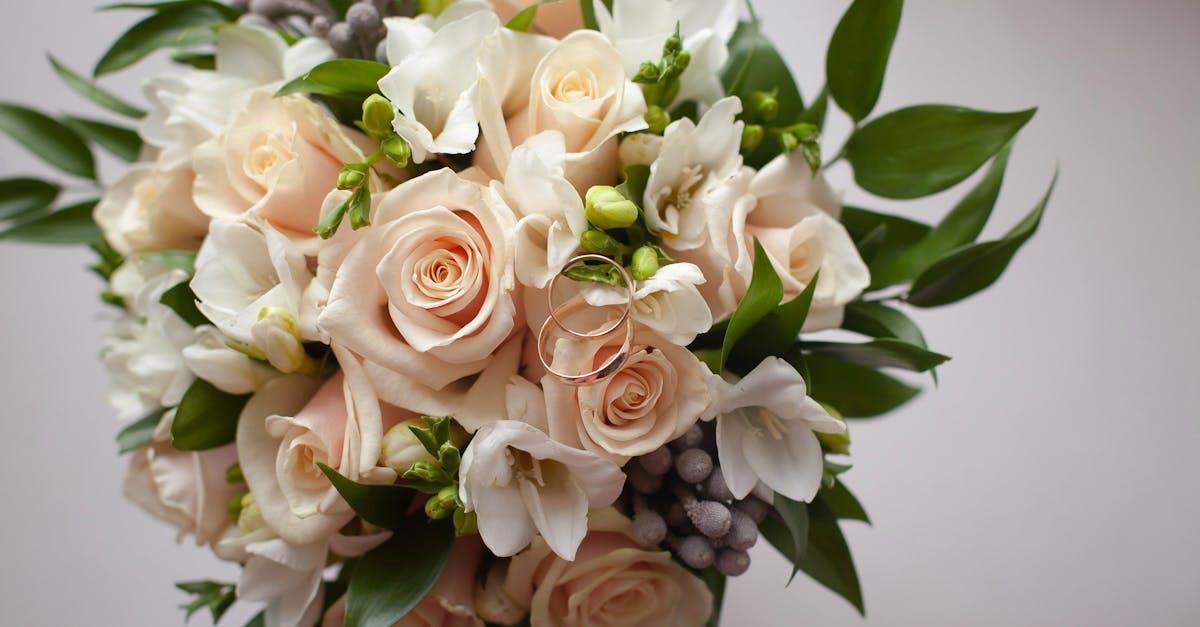
Table Of Contents
Texture in Wedding Floral Arrangements
In wedding floral arrangements, texture plays a crucial role in enhancing visual interest and conveying the couple's style. Different flower varieties can create distinct textural contrasts; for example, combining the soft, delicate petals of peonies with the robust, spiky forms of thistles delivers a dynamic aesthetic. The choice of foliage also impacts texture; glossy leaves can provide a striking backdrop to matte flowers, enriching the overall design.
Beyond the floral elements, the layering of materials adds depth and intrigue. Incorporating branches, berries, or even dried elements like preserved flowers introduces varied textures that captivate the eye. Utilising unique containers such as rustic wooden boxes or elegant glass vases can further emphasise the tactile experience. As a result, the interplay of these textures not only enhances the beauty of the arrangements but also reflects the couple's personality and the overall theme of the celebration.
Creating Depth in Bridal Bouquets and Centrepieces
Bridal bouquets and centrepieces benefit greatly from a layered approach to texture. Incorporating a variety of blooms can create visual interest. Large, bold flowers can serve as focal points while smaller, delicate blossoms add complexity. This contrast not only enhances the bouquet’s or centrepiece's appeal but also captures attention from every angle. Greenery plays a crucial role as well, serving as a natural counterbalance that adds depth through its varied shapes and shades.
To elevate the design further, consider integrating elements such as twigs, feathers, or berries. These accents contribute to an organic feel while introducing unexpected dimensions. Textured materials can also be woven into the arrangements, such as lace or burlap, enhancing tactile experiences. By combining these diverse elements, the overall composition becomes richer, allowing each piece to evoke an emotional response that resonates with the event's atmosphere.
Incorporating Non-Floral Textures
Non-floral textures can transform a floral arrangement into an intricate masterpiece. Incorporating materials such as fabrics, wood, and glass can add depth and contrast. For instance, using a rustic wooden base elevates the organic feel of a bouquet, while metallic elements bring a contemporary twist. Fabrics like lace or silk can soften the overall look, providing a tactile richness that draws the eye and invites touch.
The strategic use of these non-floral elements can also enhance the visual narrative of an event. A textured table runner or backdrop can create a cohesive aesthetic, pulling together various design components. Incorporating items like glass vases or wooden accents not only adds variety but also highlights the blooms featured in the arrangements. This layering of textures creates an inviting atmosphere that resonates with guests, making the event memorable.
Adding Elements Like Fabrics, Wood, and Glass
Incorporating fabrics, wood, and glass into floral arrangements adds a distinctive layer of texture that can elevate any event’s aesthetic. Fabrics such as lace or burlap not only offer a tactile experience but can also complement the colour palette of the flowers. These materials can be used in table runners, as wraps for bouquets, or draped artistically around vases, enhancing both rustic and elegant themes. The interplay of soft versus hard textures creates a harmonious balance, drawing attention to the floral elements while providing visual interest.
Wood lends an organic texture that grounds floral designs, infusing a natural vibe into centrepieces and installations. Utilising reclaimed timber blocks or branches can create an earthy foundation for blossoms, emphasising their beauty. Glass adds a touch of sophistication with its reflective qualities, which can enhance lighting effects and highlight the colours of the arrangements. Vases, candlesticks, or even glass terrariums can house florals, creating unique visual narratives that resonate with the overall design.
The Role of Texture in Event Themes
Texture serves as a vital element in creating a cohesive atmosphere for any event. By thoughtfully selecting various textures, event planners can enhance the overall theme and evoke specific emotions. For instance, a rustic theme benefits from earthy textures like burlap and wood, whereas a sophisticated, modern event may utilise sleek glass and polished metals. Each choice contributes to the sensory experience, allowing guests to feel more immersed in the intended aesthetic.
Furthermore, the careful interplay of textures can guide visual storytelling throughout the event space. Soft fabrics can complement floral displays, while bold materials can provide striking contrast. Combining these elements thoughtfully not only reinforces the theme but also invites curiosity and engagement from attendees. The choices made in texture ultimately reflect the event’s character, resonating with guests and making the experience memorable.
Aligning Texture Choices with the Overall Theme
Texture plays a crucial role in bringing cohesion and depth to any event theme. By selecting materials that resonate with the chosen aesthetic, planners can enhance the overall ambience. For instance, a rustic wedding may benefit from earthy textures such as burlap or reclaimed wood, while a modern celebration might favour sleek glass and polished metals. These choices not only reflect the theme but also add visual interest, ensuring that each element complements the others harmoniously.
When aligning texture with the overall theme, it is vital to consider the emotional response that different materials evoke. Soft fabrics can create a sense of warmth and intimacy, perfect for romantic settings, while sharper, more industrial textures might lend an edge to a contemporary motif. Cleverly mixing and matching these elements can provide a multi-dimensional experience for guests, making the event more engaging and memorable. Choosing textures that echo the theme allows for a more immersive atmosphere, inviting attendees to enjoy every aspect of the design.
FAQS
What is the importance of texture in floral arrangements for events?
Texture adds depth and visual interest to floral arrangements, enhancing their overall aesthetic and making them more engaging for guests.
How can I create depth in bridal bouquets?
You can create depth in bridal bouquets by combining different floral varieties and incorporating varied textures, such as ruffled petals or smooth leaves, to add dimension.
What are some examples of non-floral textures that can be incorporated into event styling?
Non-floral textures can include materials like fabrics (such as lace or burlap), wood (like branches or wooden boxes), and glass (like vases or candle holders) to complement floral arrangements.
How do I choose textures that align with my event theme?
To choose textures that align with your event theme, consider the mood and style you wish to convey; for example, rustic themes may benefit from natural textures like burlap and wood, while elegant themes might incorporate silk and crystal.
Can the use of texture affect the overall atmosphere of an event?
Yes, the use of texture can significantly impact the atmosphere of an event by creating a cohesive look and feel that enhances the theme, making it more inviting and visually appealing to guests.
Related Links
How to Choose Decor That Complements Your Floral ArrangementsUnique Centrepiece Ideas to Enhance Your Reception Decor
Incorporating Personal Touches in Your Wedding Decor
Seasonal Decor Ideas with Fresh Floral Elements
Integrating Lighting and Florals for an Enchanting Ambience
The Importance of Cohesive Decor in Wedding Floral Design